TRUE REST FLOAT SPA
Nervous System Regulation Isn’t New. Float Therapy Has Been Doing It for Over a Decade
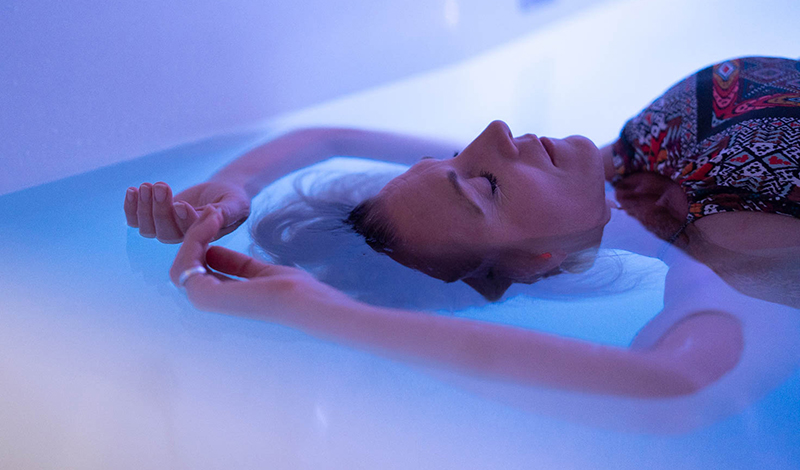
“Nervous system regulation” is having a moment. Sauna, cold plunge, breathwork, red light, all of it is being repackaged under a new category wellness media has started calling “neurowellness,” the shift from managing symptoms to actually training the nervous system itself, moving it out of activation and into recovery.
Float therapy has been doing nervous system regulation since 2010. It’s just never had the label.
What Nervous System Regulation Actually Means
Your nervous system runs on two settings: sympathetic (fight, flight, go) and parasympathetic (rest, digest, repair). Most people spend the vast majority of their waking hours stuck in the first one, even when nothing is actively wrong. Notifications, deadlines, traffic, decisions, none of it is dangerous, but the body doesn’t always know the difference.
Nervous system regulation is the practice of deliberately shifting back into parasympathetic mode. Not relaxing in the vague, spa-day sense, but a measurable physiological shift, one that shows up directly in the body: cortisol drops, heart rate variability improves, and the parasympathetic nervous system takes back control from the amygdala.
How Float Therapy Supports Nervous System Regulation
A float session removes the inputs your nervous system spends all day responding to. Ten inches of water, 1,000 pounds of Epsom salt, skin temperature, no light, no sound, no gravity. With nothing left to react to, the body has no reason to stay in sympathetic mode. Nervous system regulation happens on its own, without effort or technique.
This is Reduced Environmental Stimulation Therapy, REST, the same mechanism now being described under the neurowellness umbrella. States of deep parasympathetic rest that normally take years of meditation practice to access reliably tend to arrive naturally within a single 60 minute float session. You can read more about how the practice actually works on our float therapy overview.
The Gap in the Nervous System Regulation Conversation
Most neurowellness coverage right now credits sauna, cold plunge, and contrast therapy as the tools of the category. Float therapy is rarely part of that conversation, despite having the longer track record and the more complete sensory reset. That’s a gap worth naming directly: float therapy isn’t adjacent to nervous system regulation, it’s one of the original tools of it.
Nervous System Regulation as Maintenance, Not a Trend
Float therapy doesn’t work because it’s new. It works because the nervous system needs real, regular downtime, and most modern lives don’t build that in anywhere else. People come back to float for the same reason they come back to sleep or exercise: not as a reward, but because nervous system regulation is something the body actually requires, on a recurring basis, not a one-time fix.
You can find a location near you and book a session on our locations page.
Neurowellness gave nervous system regulation a name in 2026. Float therapy has been the practice since 2010.